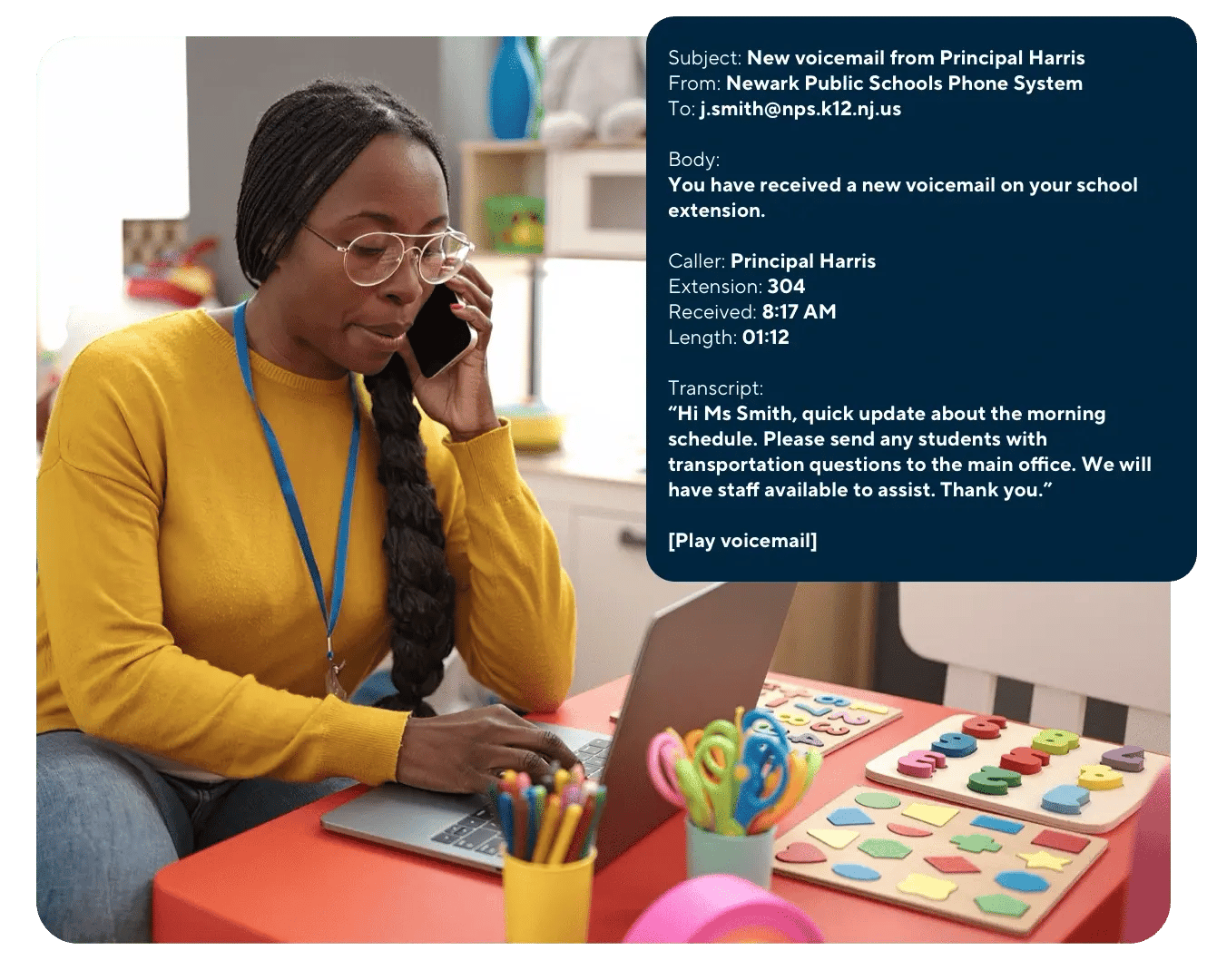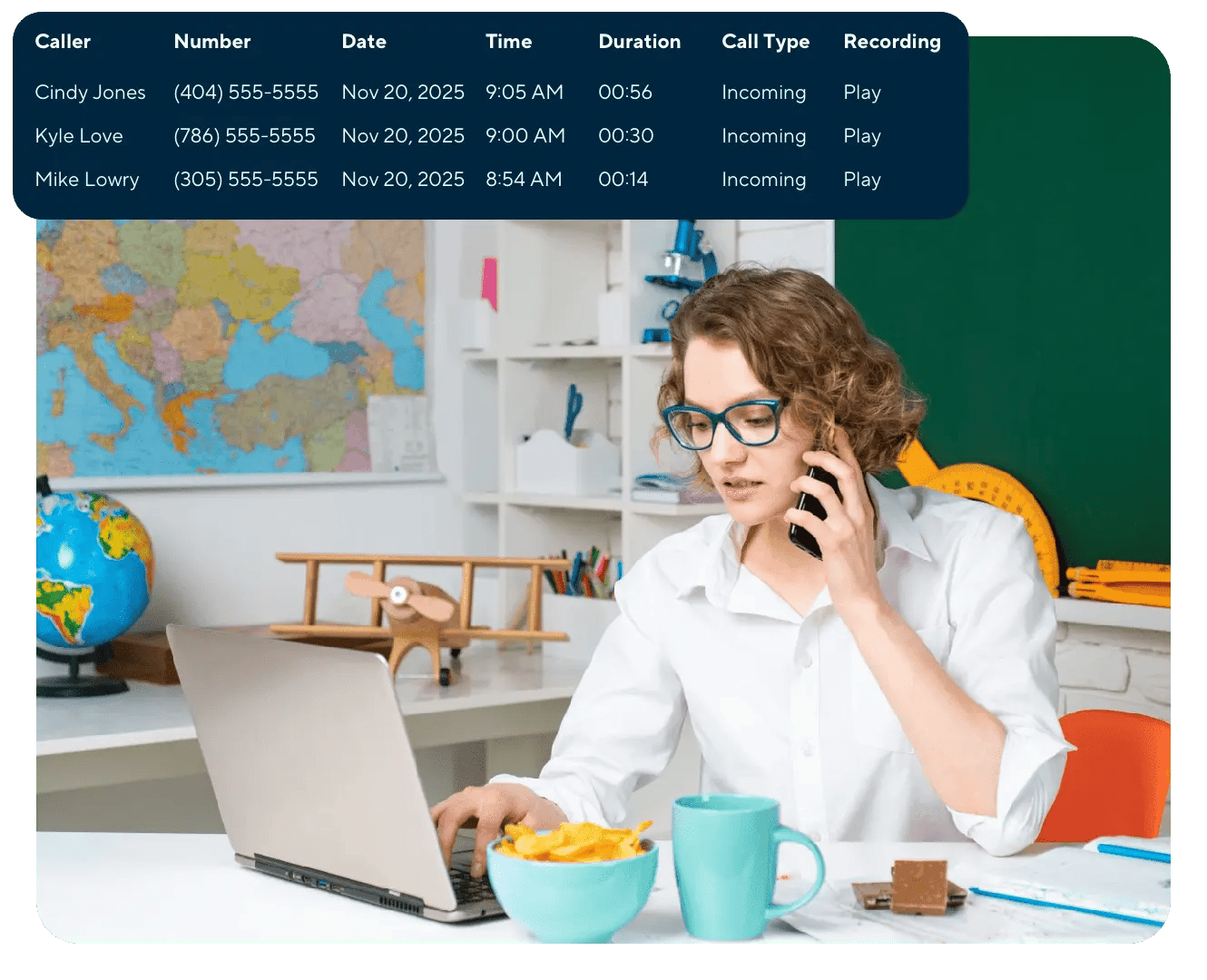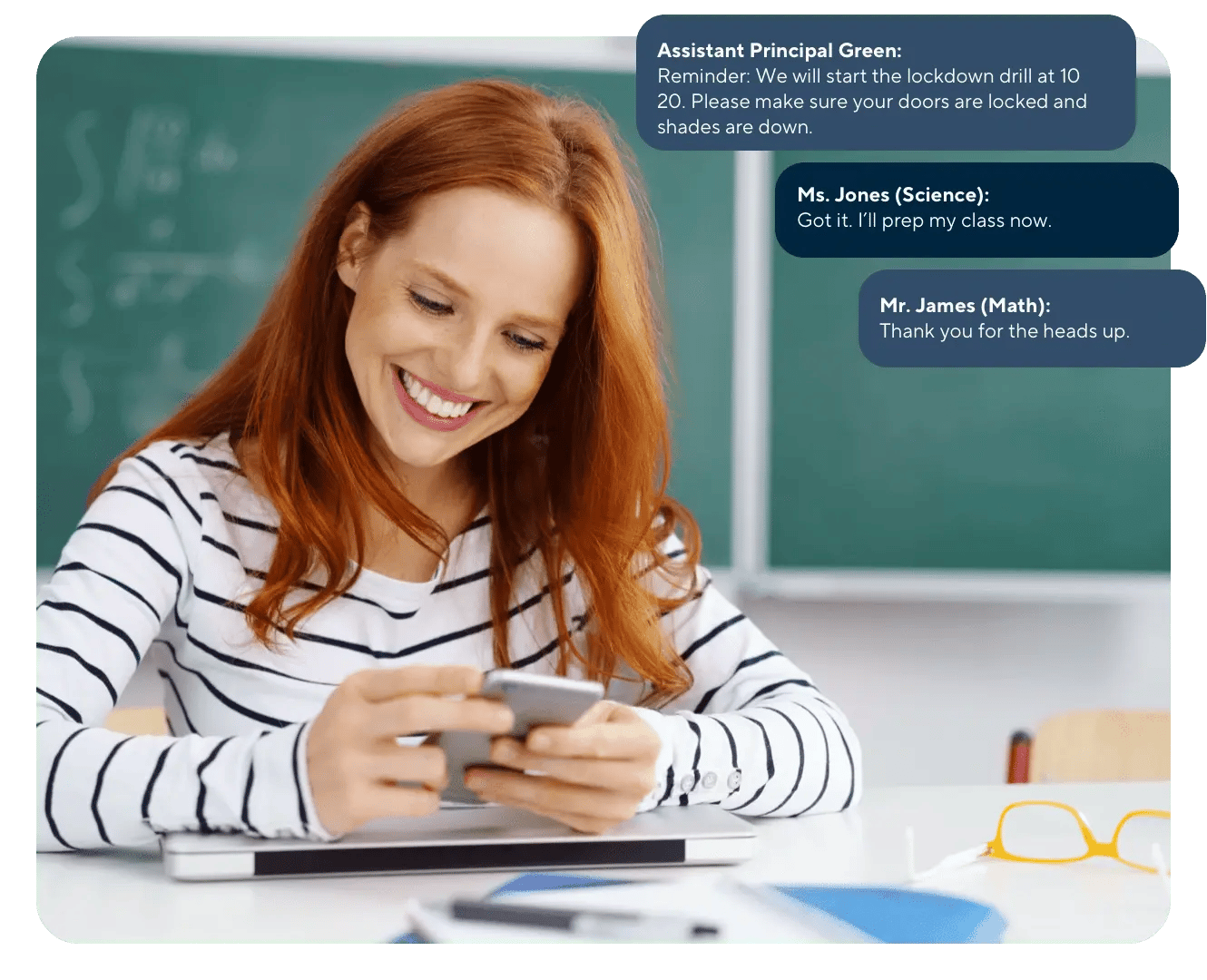























A school communication solution is a system or platform designed to help administrators, teachers, students, and parents share information fast, securely, and reliably. It may include voice/phone services, messaging (SMS, email, chat), video conferencing, announcements, content sharing, scheduling tools, and integration with existing systems like LMS or student information systems.
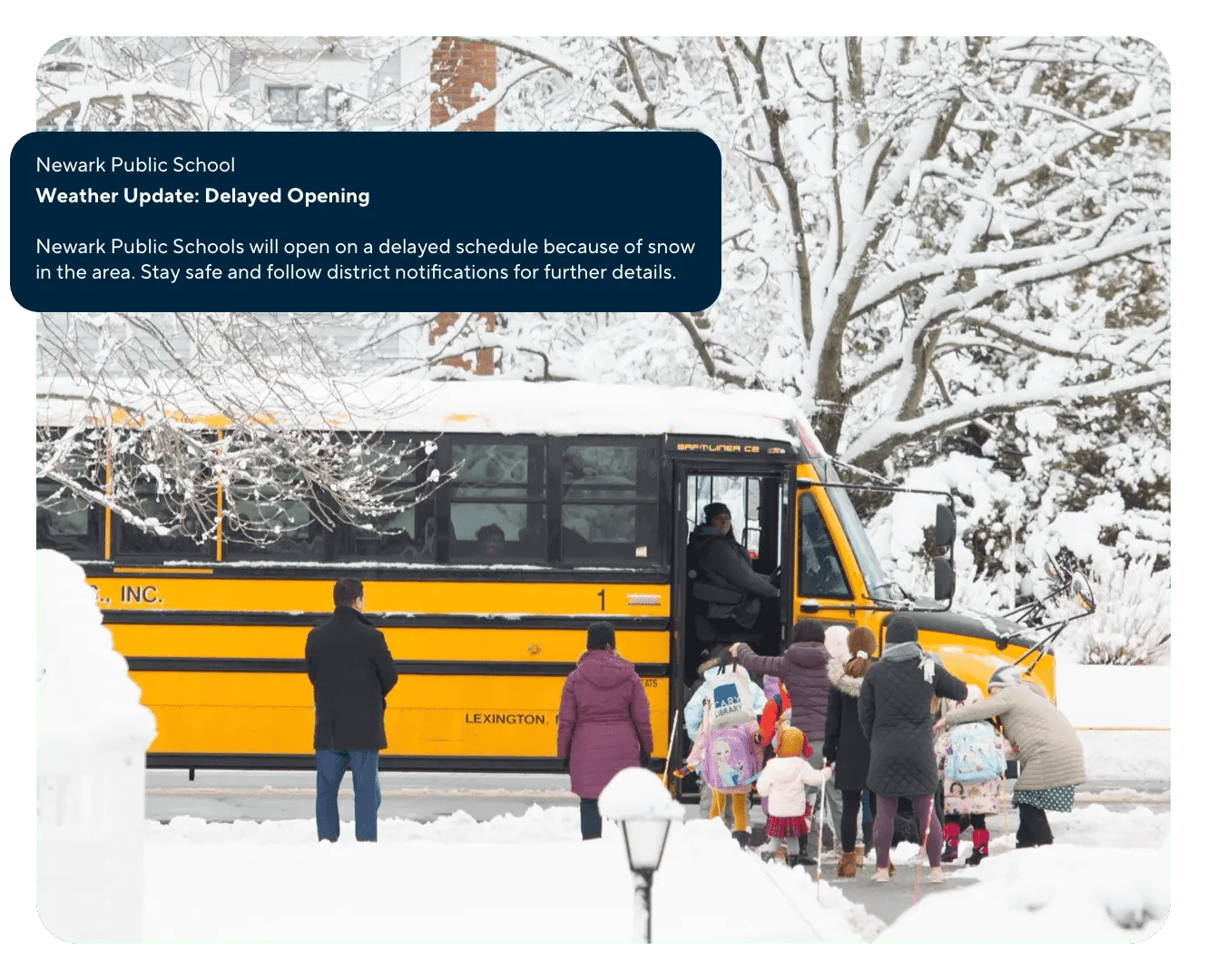
Modern communication tools ensure timely updates (for exams, closures, safety alerts, etc.), improve business processes, enhance productivity, and help maintain proper records for compliance purposes.
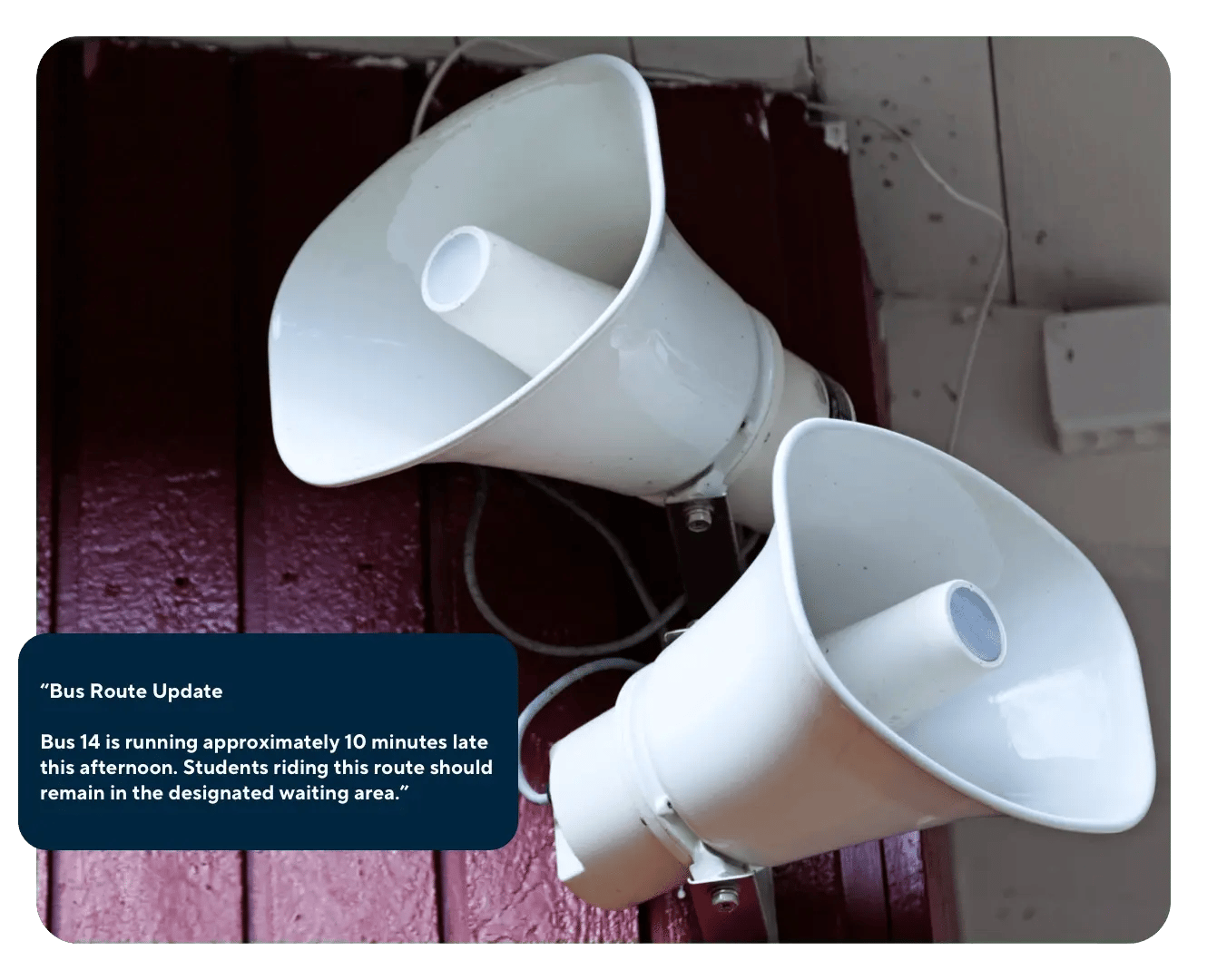
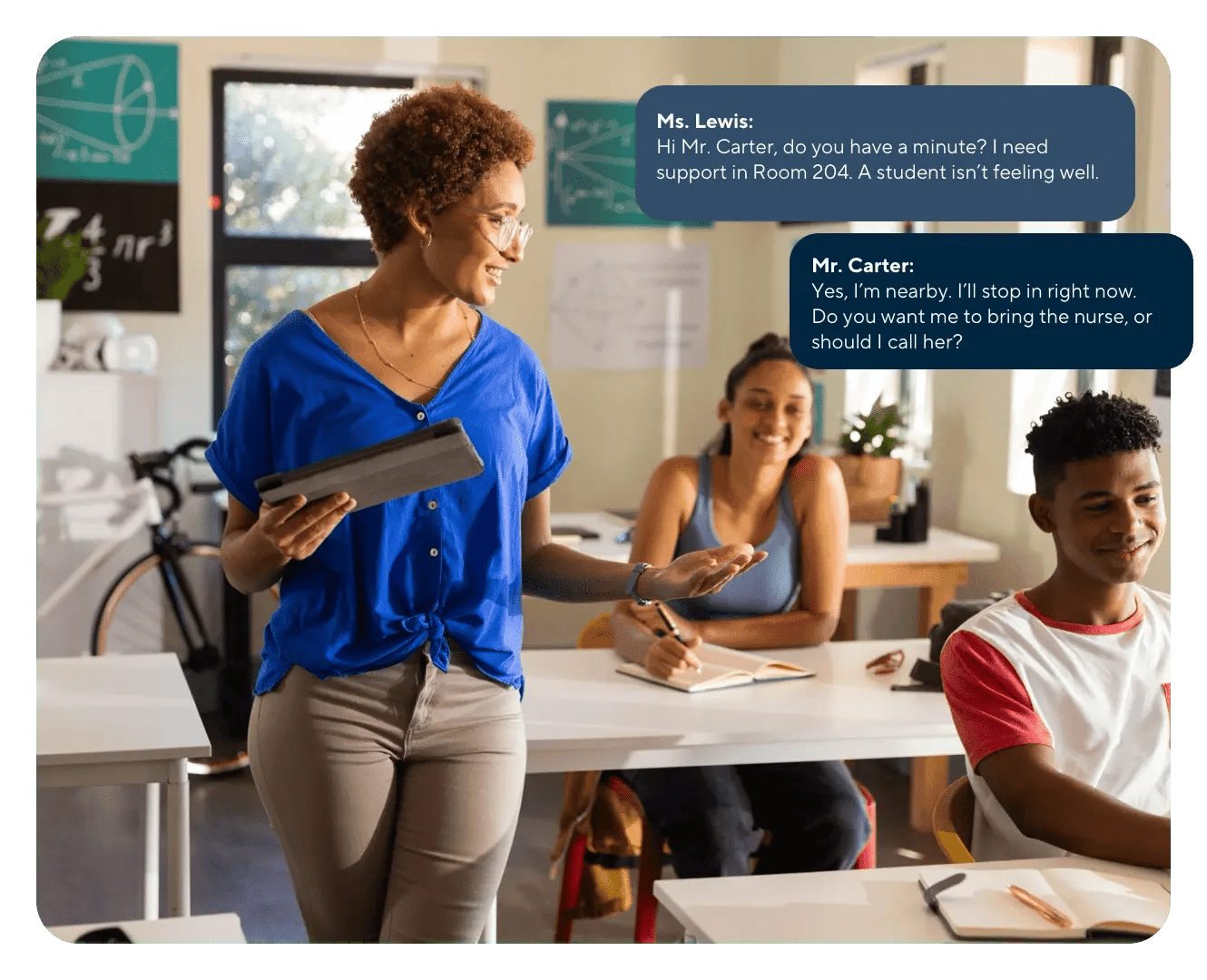
Key features of a communication solution for educational institutions may include, but aren’t limited to, voice/telephony, messaging services, broadcasting announcements, scheduling/automated reminders, emergency alert functionality, read receipts, multilingual support, integration with LMS/SIS, device compatibility (mobile & desktop), and secure data handling.
Yes. It’s crucial for efficiency that communication platforms work with the school’s current tech stack. Integration via APIs or single-sign-on (SSO) allows user data (like class rosters, schedules, contact info) to sync, reducing duplication of effort and ensuring all messaging is relevant and targeted.
Adherence to proper security and data privacy protocols is essential. Schools must comply with relevant laws and regulations covering student data privacy (GDPR, FERPA, etc.). Features like encryption in transit/at rest, secure login, role-based permissions, audit logs, and proper data storage practices are needed. Any reputable communication platform should offer these protections
We’ve designed our solutions to scale easily from a small school to a district or university campus. Scalability involves handling large numbers of users, heavy message volume (broadcasts, reminders), multi-campus coordination, multilingual and multi-group communication, and growing demands without performance issues.
Implementation time depends on the size of your organization, features you require, and the overall scope of your project. Key tasks for proper implementation include requirement gathering, customization, integration with existing systems, data migration, training staff, and deployment/testing. For many schools, net2phone can deliver basic deployment within a few weeks while a full rollout (with integrations and training) might take 1-2 months.
Quality platforms like net2phone offer ongoing customer support, including help-desk/ticketing, training for staff, documentation (how-to’s, FAQs), updates/bug fixes, and consultation on best practices. It’s also helpful if providers supply analytics dashboards to monitor usage, message delivery, engagement, and system health.
Yes. A robust solution should support priority channels for urgent alerts (e.g. emergencies, weather closures, safety incidents), override settings for immediate broadcasts, campus paging or mass voice call options, lock-down or help button features, and multi-device support so staff and students can receive alerts wherever they are.